METHOD & PROCESS PRINCIPLE
Controlled unloading, custody/operational metering, tank segregation, recirculation and recipe-based blending stabilize the CDU feed.
 UNKA ENGINEERINGEPC CONTRACTOR
Receives, measures, segregates and blends crude feed before desalting and distillation.
Controlled unloading, custody/operational metering, tank segregation, recirculation and recipe-based blending stabilize the CDU feed.
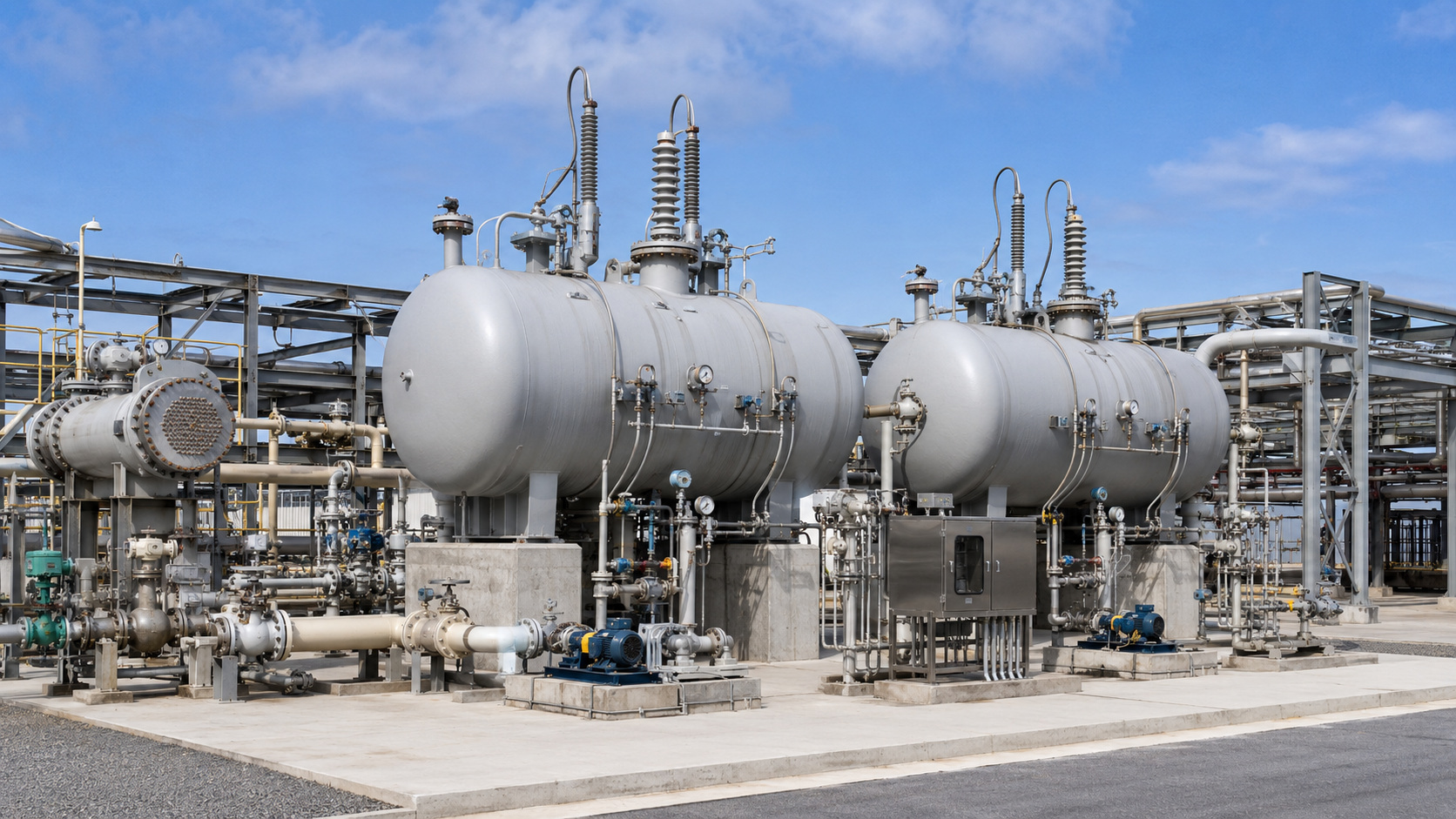
Marine/truck/pipeline receipt interfaces, metering skid, crude tanks, mixers, transfer pumps, manifolds, sampling and analyzers.
Representative crude assay including API gravity/density, TBP or SimDist, sulfur, TAN, CCR/MCR, metals, salt, water/sediment, light ends and product targets; site ambient data, utilities and battery limits.
Design Basis, heat and material balance where applicable, PFD, P&ID, datasheets, line/equipment lists, layout and 3D interfaces, control and safeguarding documents, inspection plan, operating and commissioning procedures.
Hazard review, alarms and interlocks, relief/vent/drain philosophy, hazardous-area classification, maintainable isolation, fire protection, emergency shutdown interfaces and environmental controls.
Grassroots and existing refineries processing one or multiple crude grades.
API MPMS, API 650/2000, NFPA; OIML/local metrology and EN/DIN or GOST/EAC requirements where specified.
API MPMS, API 650/2000, NFPA; OIML/local metrology and EN/DIN or GOST/EAC requirements where specified.