METHOD & PROCESS PRINCIPLE
Recipe optimization, inline or tank blending, additive injection, recirculation and laboratory certification are applied.
 UNKA ENGINEERINGEPC CONTRACTOR
Combines component streams into controlled finished fuels while protecting specification and traceability.
Recipe optimization, inline or tank blending, additive injection, recirculation and laboratory certification are applied.
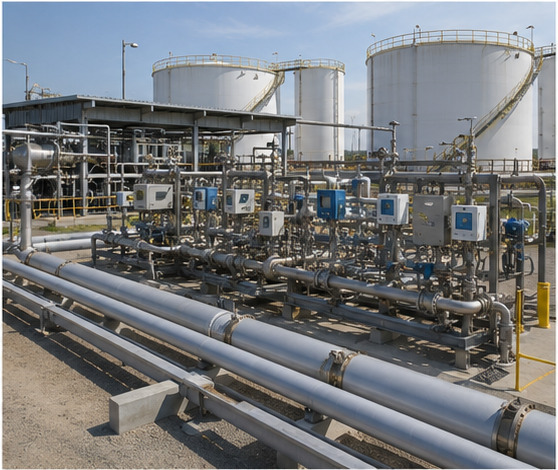
Blend headers/skids, meters, control valves, analyzers, additive dosing, product tanks, mixers and sampling.
Representative crude assay including API gravity/density, TBP or SimDist, sulfur, TAN, CCR/MCR, metals, salt, water/sediment, light ends and product targets; site ambient data, utilities and battery limits. Component assays, target grades, property interactions, batch/inline strategy and custody requirements.
Design Basis, heat and material balance where applicable, PFD, P&ID, datasheets, line/equipment lists, layout and 3D interfaces, control and safeguarding documents, inspection plan, operating and commissioning procedures.
Hazard review, alarms and interlocks, relief/vent/drain philosophy, hazardous-area classification, maintainable isolation, fire protection, emergency shutdown interfaces and environmental controls.
Gasoline, diesel, jet/kerosene, fuel oil and compatible refinery products.
ASTM/EN/DIN/GOST product methods, API MPMS, OIML/local metrology and approved blending procedures.
ASTM/EN/DIN/GOST product methods, API MPMS, OIML/local metrology and approved blending procedures.