METHOD & PROCESS PRINCIPLE
Feed conversion and fermentation are followed by distillation/rectification and molecular-sieve dehydration beyond the ethanol–water azeotrope; denaturing is performed only to the destination fuel/tax specification.
 UNKA ENGINEERINGEPC CONTRACTOR
Produces anhydrous renewable ethanol for gasoline blending from approved sugar or starch feedstocks.
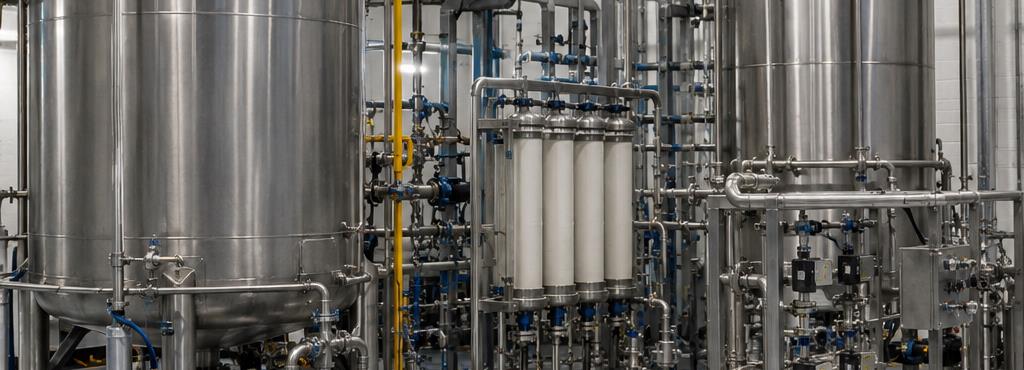
Feed conversion and fermentation are followed by distillation/rectification and molecular-sieve dehydration beyond the ethanol–water azeotrope; denaturing is performed only to the destination fuel/tax specification.
Feed-preparation system, fermenters, beer/rectification columns, molecular-sieve package, denaturant dosing, product tanks, analyzers and loading.
Approved raw-material analysis, fermentable sugar or starch, contaminants, water quality, capacity, required alcohol grade, recovery target, fermentation basis, by-product route and utilities.
Design Basis, process calculations, PFD, P&ID, datasheets, equipment/instrument/line lists, layouts, control narratives, cause-and-effect, inspection plan, FAT/SAT and commissioning documents.
Hazardous-area classification, alarms/interlocks, relief and venting, CIP/cleaning safety where applicable, fire and gas interfaces, HAZOP actions, ESD philosophy and traceable quality release.
Anhydrous fuel ethanol for gasoline blending. Final acceptance is against the contracted national fuel-ethanol specification and sustainability/accounting requirements.
EN 15376 where adopted for automotive fuel ethanol, plus applicable national fuel, tax, denaturing, metrology and sustainability rules; ASME/TEMA/IEC/NFPA for equipment.
EN 15376 where adopted for automotive fuel ethanol, plus applicable national fuel, tax, denaturing, metrology and sustainability rules; ASME/TEMA/IEC/NFPA for equipment.