METHOD & PROCESS PRINCIPLE
Molecular sieve, azeotropic separation, phase decanting or membrane/other validated drying is selected by solvent chemistry.
 UNKA ENGINEERINGEPC CONTRACTOR
Reduces residual water to the reuse specification.
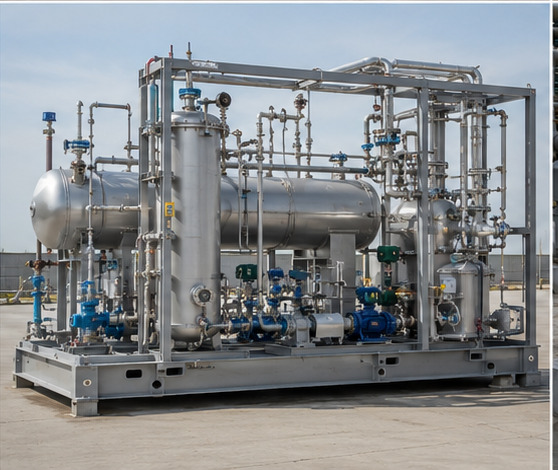
Molecular sieve, azeotropic separation, phase decanting or membrane/other validated drying is selected by solvent chemistry.
Drying beds or column/decanter, regeneration system, filters, water analyzer, receivers and pumps.
Spent-solvent composition, water and solids, azeotrope/VLE behavior, corrosion/compatibility, batch variability, recovery purity, residue route and hazardous-area data. Required water content and regeneration utility availability.
Design Basis, material balance, PFD, P&ID, equipment and instrument datasheets, line/equipment lists, control narrative, cause-and-effect, layout/3D interfaces, inspection plan, operating and commissioning procedures.
Closed handling, relief/vent/drain routing, alarms and trips, hazardous-area classification, HAZOP actions, maintainable isolation, fire protection and emergency shutdown interfaces.
Recovered solvents requiring low water for reuse or sale.
Vendor media standards, ASME, IEC/NFPA; ASTM/EN/DIN/GOST water test method by contract.
Vendor media standards, ASME, IEC/NFPA; ASTM/EN/DIN/GOST water test method by contract.