METHOD & PROCESS PRINCIPLE
Controlled heating, flash separation and condensation are used; excessive temperature that can crack oil is avoided.
 UNKA ENGINEERINGEPC CONTRACTOR
Removes free/emulsified water and volatile fuel contamination before vacuum processing.
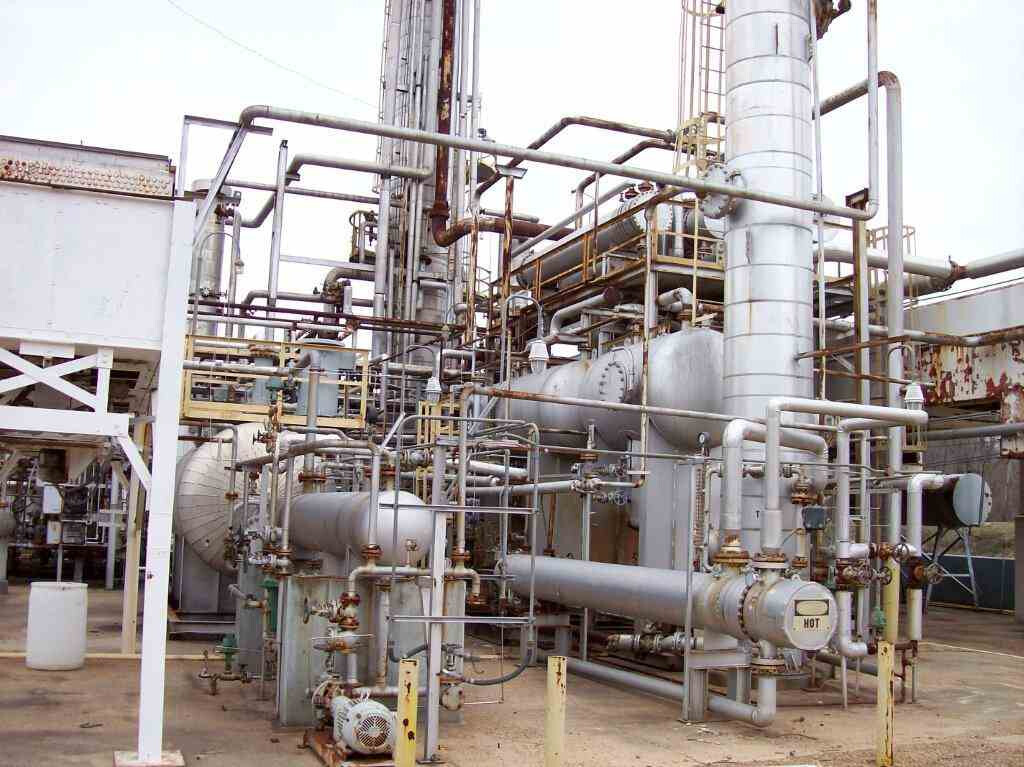
Controlled heating, flash separation and condensation are used; excessive temperature that can crack oil is avoided.
Feed heater, dehydration vessel/column, condenser, separator/decanter, vacuum interface, pumps and water receiver.
Representative waste-oil assay including water, light fuels, viscosity, density, ash, metals, halogens, glycol, PCB screening, CCR/MCR and distillation curve.
Design Basis, material balance, PFD, P&ID, equipment and instrument datasheets, line/equipment lists, control narrative, cause-and-effect, layout/3D interfaces, inspection plan, operating and commissioning procedures.
Closed handling, relief/vent/drain routing, alarms and trips, hazardous-area classification, HAZOP actions, maintainable isolation, fire protection and emergency shutdown interfaces.
Pre-treatment of used lubricants and compatible oily feedstocks.
ASME VIII, TEMA, API 520/521, environmental VOC/water rules; EN/DIN/GOST basis as contracted.
ASME VIII, TEMA, API 520/521, environmental VOC/water rules; EN/DIN/GOST basis as contracted.